Whole genome sequencing and phylogenetic analysis of H5N1 avian influenza strains have revealed the emergence of a new H5N1 genotype in the Czech Republic. The variant was first identified on a small, domestic chicken farm in Meziříčko, near Moravské Budějovice, and was subsequently confirmed on a commercial duck farm in Valdíkov.
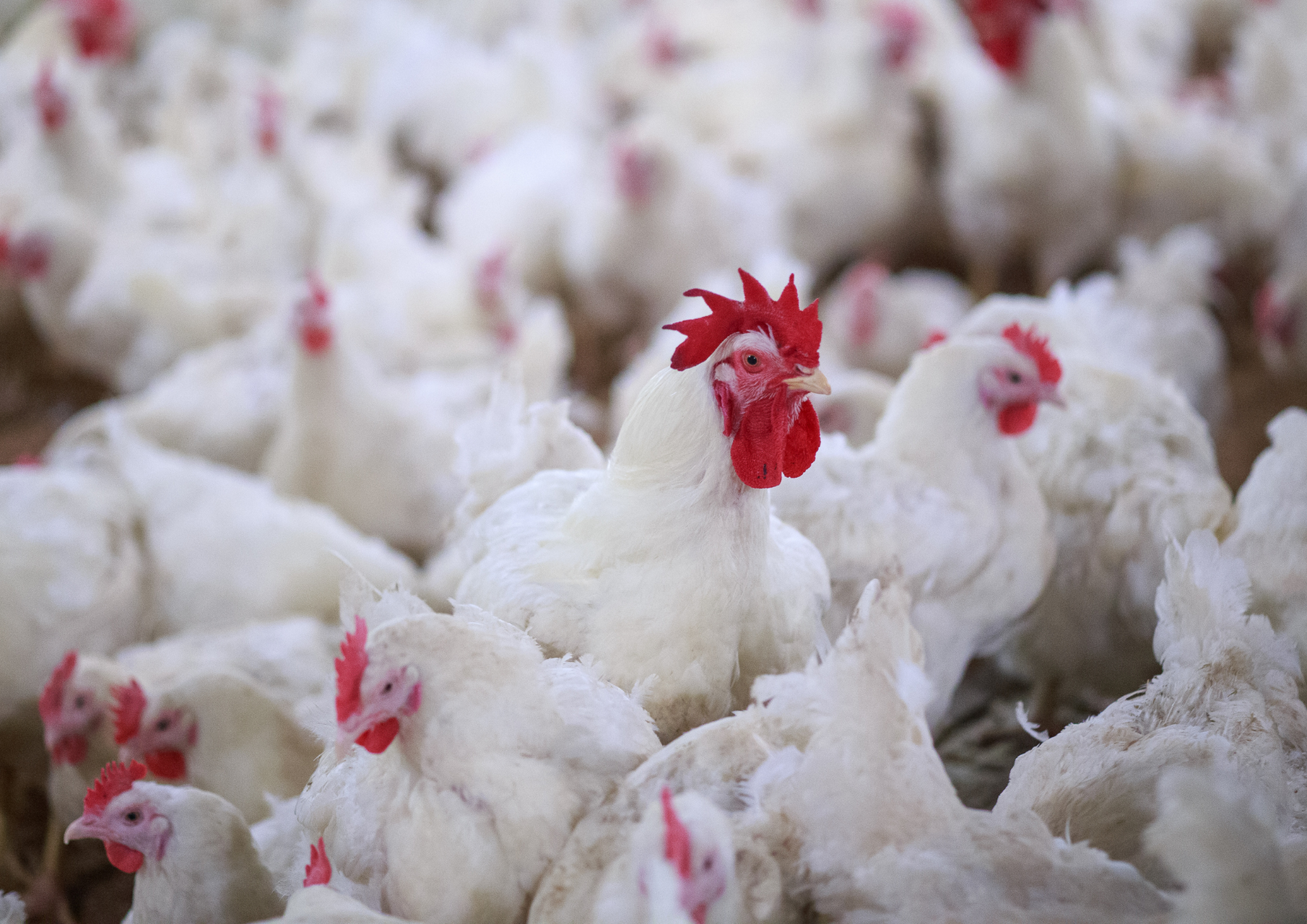
Genetically, it is a hybrid of the currently dominant DI.2.1 genotype and an unknown, low-pathogenic avian influenza virus, at a ratio of 7:1. The new genotype retains its high pathogenicity while acquiring a new genome segment (PB2). This segment contains a significant E627K mutation, which is associated with an increased risk of transmission to humans and other mammals. The DI genotype has circulated in Europe in a stable form since the 2023–2024 season. The case described here represents the first newly emerged genotype derived from the DI genotype. This finding has been confirmed by the European Reference Laboratory. Due to its low prevalence, no official name has yet been assigned to this genotype.
Whole-genome sequencing and phylogenetic analysis of H5N1 strains from the majority of outbreaks (approximately 70%) revealed that a single H5N1 genotype, DI.2.1, was predominant throughout Europe during the 2025–2026 season. This genotype has evolved since the 2023–2024 season, when it was known as DI. During the 2024–2025 season, it split into a new DI.2 lineage, from which the current DI.2.1 lineage emerged. The data also show that outbreaks on small and large-scale commercial farms mostly occur independently. However, on large-scale commercial farms, the disease is transmitted between individual farms.