


The recombinant myxomavirus Ha-MYXV was first detected in the Iberian hare (Lepus granatensis) in Spain and Portugal in 2018, in 2023 and 2024, this virus was confirmed in European hares (Lepus europaeus) in Germany and the Netherlands, and last year in Austria, the Czech Republic, Slovakia and Hungary. Using modern molecular techniques, it has been established that the myxomavirus in hares is a new variant of the virus, which arose through natural recombination of the classical rabbit myxomavirus and a as yet unidentified poxvirus.
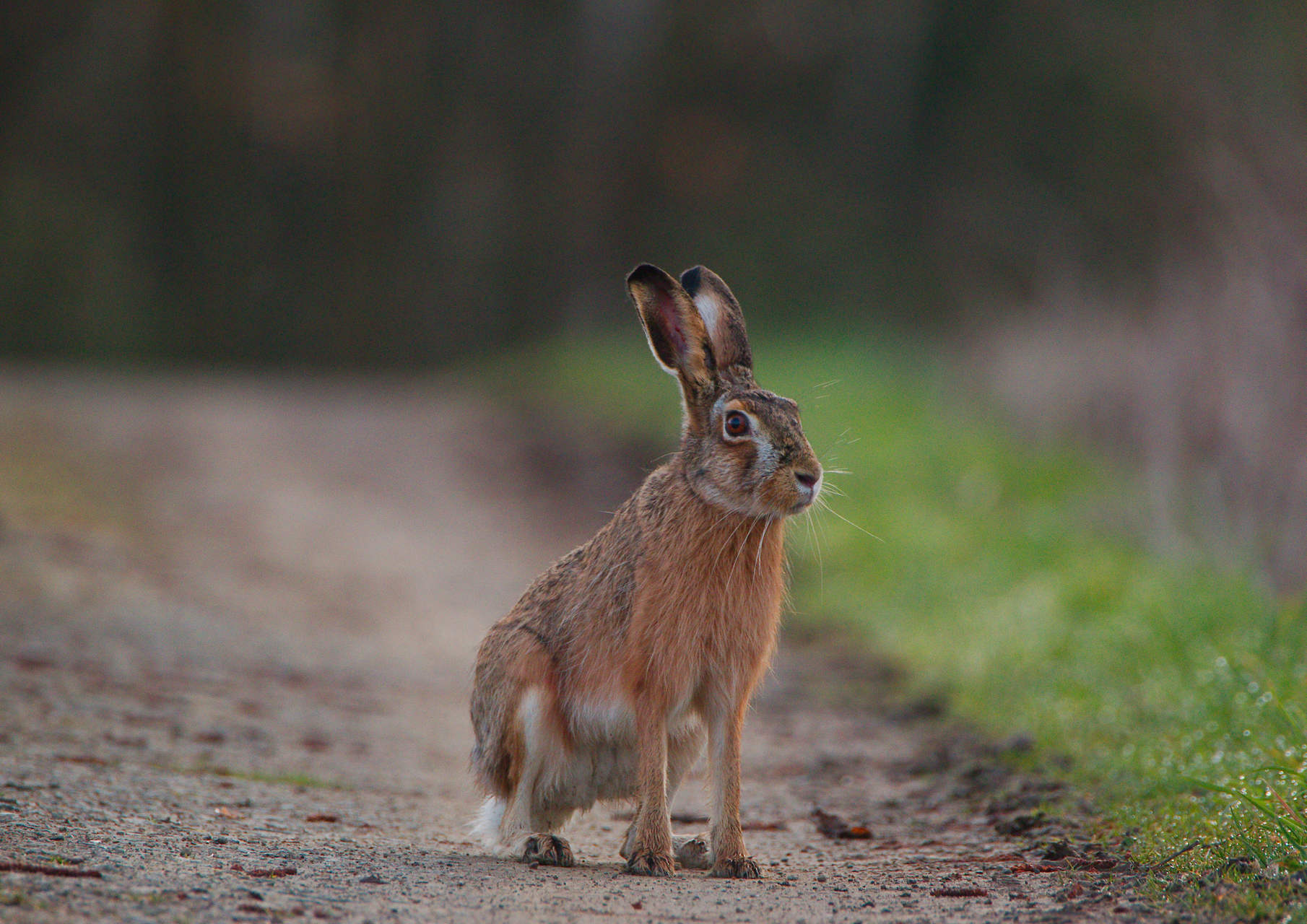
The first outbreaks of the new hare disease were confirmed in August 2025 in the Znojmo region; further outbreaks were subsequently confirmed in South Moravia, and during the autumn the infection spread to the Zlín, Olomouc and Moravian-Silesian regions. Last season, the rabbit myxomatosis virus also spread westwards into the Vysočina Region and, in a sudden surge, as far as the Pardubice Region, where it has also been detected this year. Infected hares are lethargic and suffer from swelling of the eyelids, the area around the mouth and the genital mucous membranes, as well as inflammation of the nose; the disease is often fatal in hares.
New outbreaks of recombinant myxomavirus have now been confirmed in hares in the Central Bohemian Region. At the same time, an increased mortality rate among wild rabbits (Oryctolagus cuniculus) was recorded at one site in the Central Bohemian Region; however, the cause of their deaths was a different virus – the rabbit haemorrhagic disease virus (RHDV).
You can read more about the occurrence of myxomatosis in our article.