


Newcastle disease is a serious infectious disease that affects poultry. It is caused by avian paramyxovirus type 1, also known as Orthoavulavirus javanense (OAJV). The contagiousness, clinical course and high mortality rate of Newcastle disease are virtually indistinguishable from those of highly pathogenic avian influenza. Prior to the discovery of the H5N1 virus, Newcastle disease was considered the most serious poultry disease. Similar veterinary measures are employed for both diseases, including culling and disinfecting affected farms and establishing and monitoring protection zones.
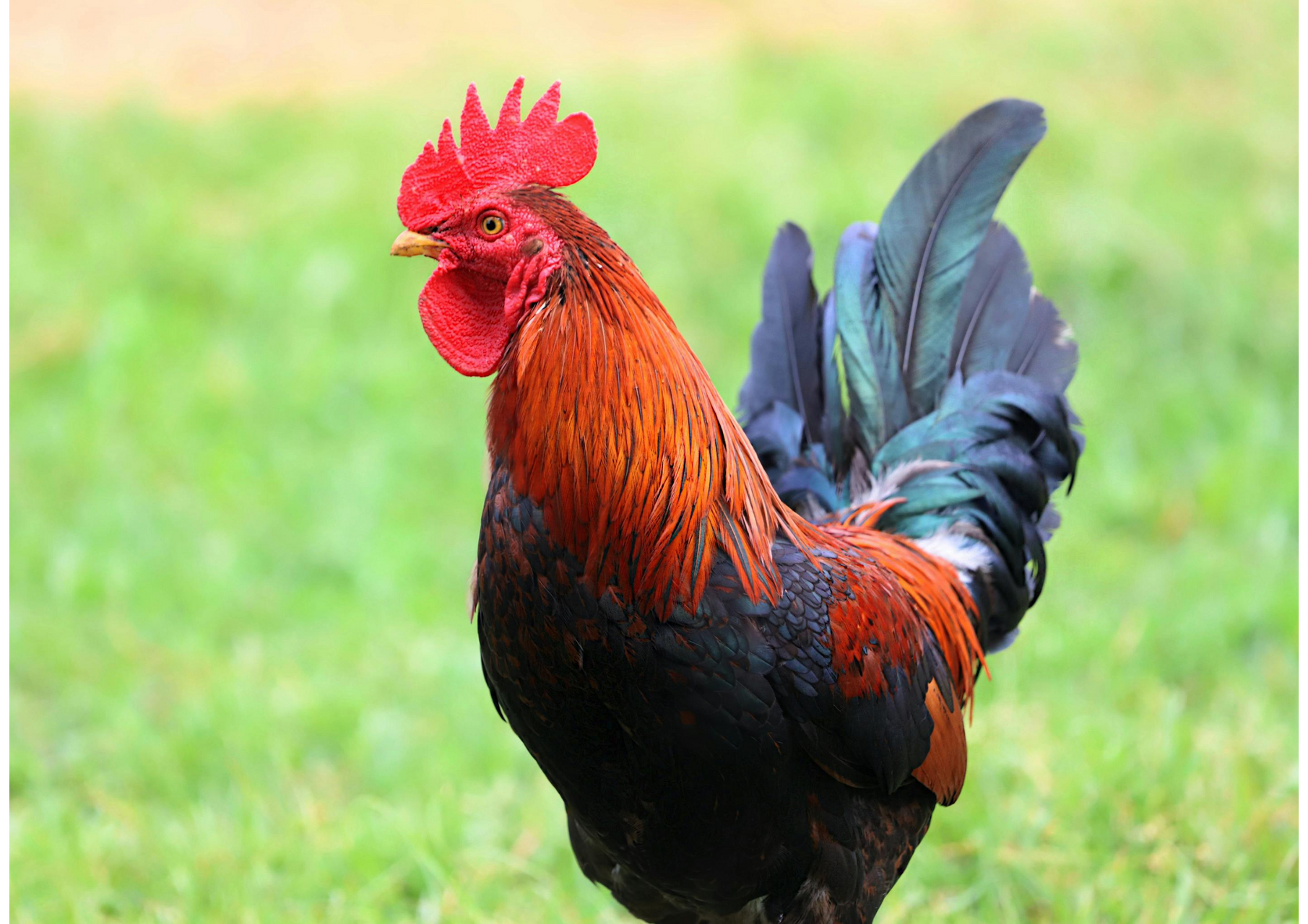
In 2025, an unusually intense outbreak of the OAJV virus was recorded in the Czech Republic, affecting only backyard poultry. The first outbreaks were detected in the north of the country. From there, the infection gradually spread throughout the Czech Republic, including southern Bohemia and Moravia. In terms of the number of farms affected, the incidence of OAJV on small farms even surpassed that of H5N1.
Whole-genome sequencing of selected outbreaks revealed that OAJV strains circulating in poultry belong to genotype VII.1.1, showing the highest degree of relatedness to viruses detected in Poland. Poland was particularly badly affected by the OAJV virus in 2025, with a number of commercial farms being hit, and the disease subsequently spreading gradually to the Czech Republic. The virus continues to circulate and three additional cases were confirmed in the Czech Republic during the first week of 2026.